 How-to
Managing EPC Supply Chain in Central Asia: A Practical Guide
Last Updated: November 25, 2026
Quick Summary
Managing an EPC supply chain in Central Asia means planning procurement backward from long-lead items, qualifying every vendor before capital is committed, and routing heavy cargo through customs corridors you have already mapped. Treat the EPC supply chain as one connected schedule where every purchase order, transit permit, and border crossing is a dependency.
- Build the schedule backward from long-lead items like transformers, turbines, pressure vessels, and switchgear.
- Survey at least two routings per critical shipment so a closed border does not strand cargo.
- File the permit stack early and in parallel across every jurisdiction on the route.
- Pre-validate tariff classifications with a customs broker before cargo reaches the border.
- Dual-source critical items and qualify a second vendor even when you do not intend to use it.
Table of Contents
- How do you manage an EPC supply chain in Central Asia?
- EPC procurement planning: build the schedule from long-lead items backward
- EPC supplier risk assessment: qualify vendors before you commit steel and capital
- EPC project logistics: moving heavy cargo across borders without breaking the schedule
- Frequently Asked Questions
How do you manage an EPC supply chain in Central Asia?
Managing an EPC supply chain in Central Asia means planning procurement backward from long-lead items, qualifying every vendor before capital is committed, and routing heavy cargo through customs corridors you have already mapped. It is a discipline of sequencing, not reacting. The EPC supply chain works best when treated as one connected schedule, where every purchase order, transit permit, and border crossing is a dependency, not a separate task.
The region punishes optimism. Distances are long, borders are slow, and documentation errors cost weeks. A single missed customs form can idle a transformer on a rail siding while your critical path slips.
Below, we break down the four workflows that decide whether an EPC project lands on time: planning, supplier risk, logistics, and procurement risk management.
EPC procurement planning: build the schedule from long-lead items backward
Most project teams build a schedule forward and then bolt procurement onto the end. That is backwards.
Start with the long-lead items: transformers, turbines, pressure vessels, switchgear. These drive everything. Work backward from the required on-site date, subtract fabrication time, transit time, customs dwell, and inland haulage. What remains is your true order-by date.
A workable sequence looks like this:
- List every long-lead item and its required delivery date.
- Subtract realistic fabrication lead time, not the vendor's optimistic quote.
- Subtract transit and border dwell time for each routing option.
- Subtract inland transport to site.
- Lock the order date and hold it.
EPC procurement planning lives or dies on buffer discipline. Build contingency into the schedule, not into hope. A common mistake is trusting a single quoted lead time. In practice, planning against the slower of the vendor's estimate and the route's historical transit is a sound approach.
EPC supplier risk assessment: qualify vendors before you commit steel and capital
EPC supplier risk assessment is the process of verifying a vendor's capacity, financial health, and delivery record before you award a contract. Skip it and you inherit someone else's problems.
Qualification should cover more than price. Screen for:
- Production capacity against your delivery window
- Financial stability to survive a multi-year project
- Track record on comparable heavy equipment
- Export and compliance history for cross-border shipments
- Warranty and spares support after delivery
Vendor qualification is where EPC supplier risk assessment earns its keep. A cheap bid from an unstable supplier is the most expensive line on your budget. Ask for references on similar international projects and check them.
EPC project logistics: moving heavy cargo across borders without breaking the schedule
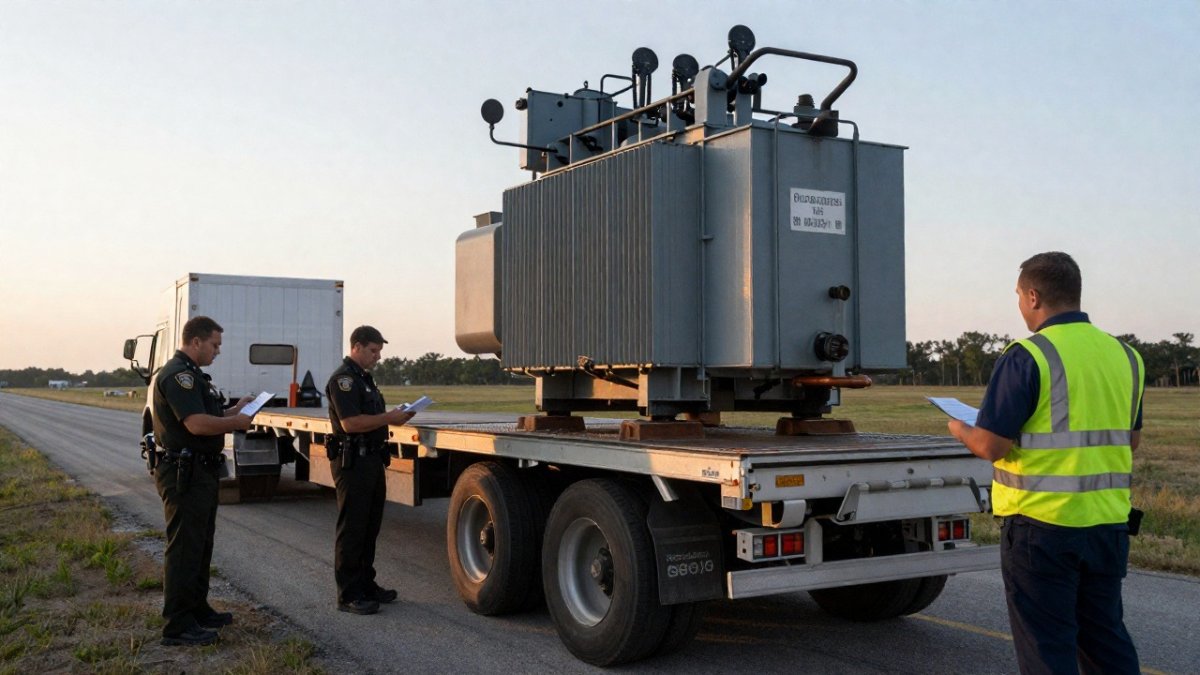
EPC project logistics is the planning and execution of moving oversized, high-value equipment from factory to site across multiple borders. It is the part of the EPC supply chain most exposed to delay, because every border is a handoff where your schedule leaves your direct control.
Frequently Asked Questions
What are the main supply chain risks in EPC projects in Central Asia?
The biggest exposures are long-lead equipment delays, customs clearance at multiple land borders, currency and payment friction, and limited local supplier depth for specialized items. A single missed long-lead delivery can push the critical chain and cascade into commissioning. Build a risk register that scores each supplier and route by likelihood and schedule impact, then hold buffer stock or pre-position critical spares near site. Review the register monthly, not once at kickoff.
How should EPC contractors assess and manage supplier risk?
Start with a structured EPC supplier risk assessment: financial health, past performance on similar projects, quality management systems, and capacity to deliver on time. For Central Asia, add export licensing history, border-crossing experience, and currency exposure. Score each vendor, set minimum thresholds for critical packages, and require mitigation plans from any supplier below threshold. Reassess quarterly and before any scope change, because a vendor that passed at bid stage can fail under a compressed schedule.
What documents are typically needed to move EPC equipment across borders in Central Asia?
Expect a commercial invoice, packing list, bill of lading or CMR, certificate of origin, and customs declaration for each jurisdiction. Heavy or specialized equipment may also need import permits, conformity certificates, and pre-shipment inspection reports. Central Asian transit routes often require a transit declaration and a guarantee for duties. Errors in HS classification or certificate of origin are the most common cause of multi-week holds, so have a second reviewer check every document set before dispatch.
How can EPC teams reduce delays caused by suppliers and transportation?
Run procurement planning backward from the commissioning date, identify long-lead items early, and lock delivery milestones into supplier contracts with liquidated damages. For EPC project logistics, pre-qualify at least two carriers per route and pre-clear customs paperwork before cargo reaches the border. Use a single control tower for information sharing across procurement, logistics, and site teams, and measure on-time delivery and schedule variance weekly so deviations surface before they become claims.